The Unbound Project
Healing the Hurt, Restoring the Family, Rewriting the Future
A trauma-healing workshop for incarcerated men in Ohio and their families, in partnership with the Ohio Department of Rehabilitation and Correction. Preparing people not just for release, but for reconnection.

What It Is
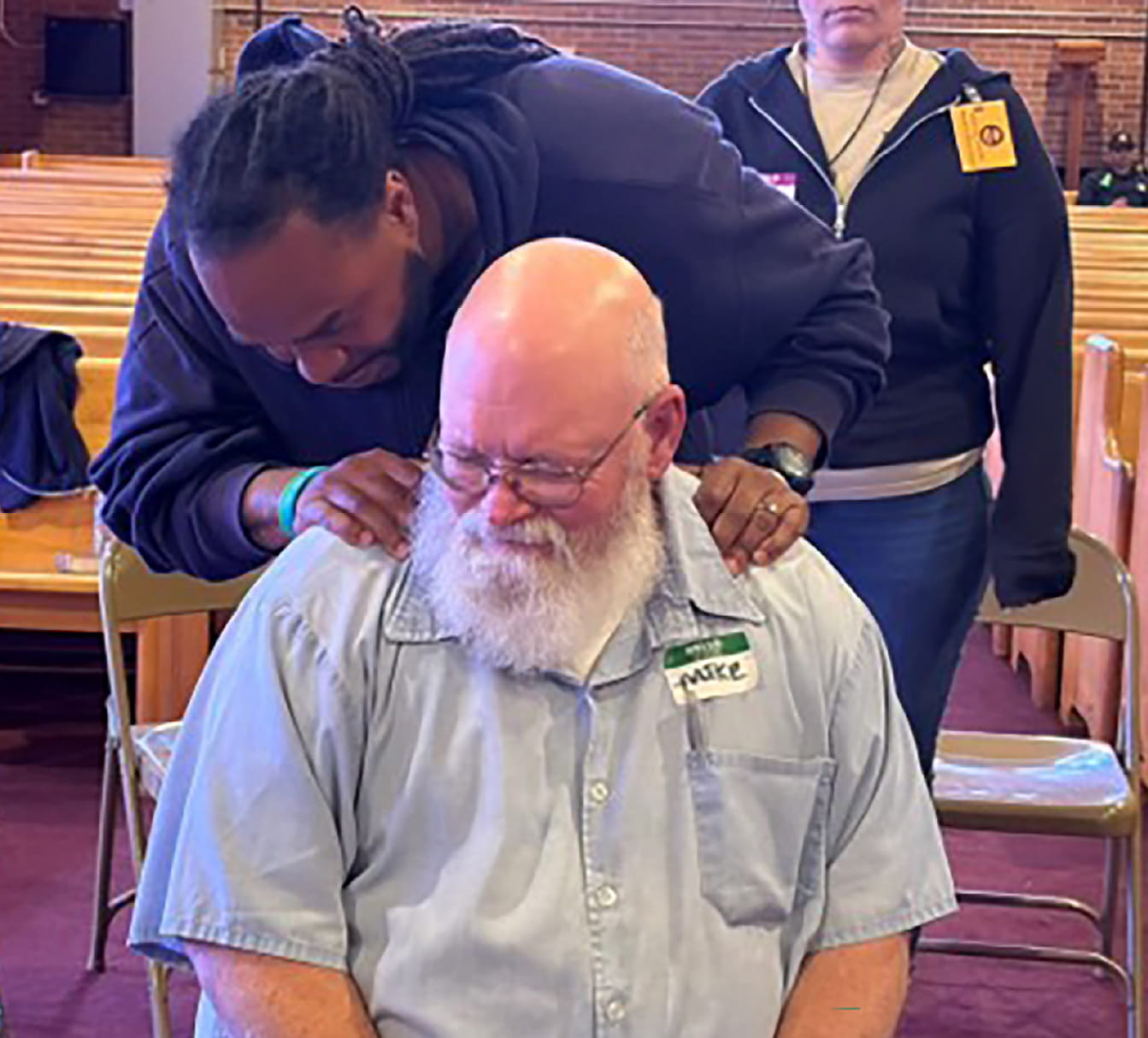
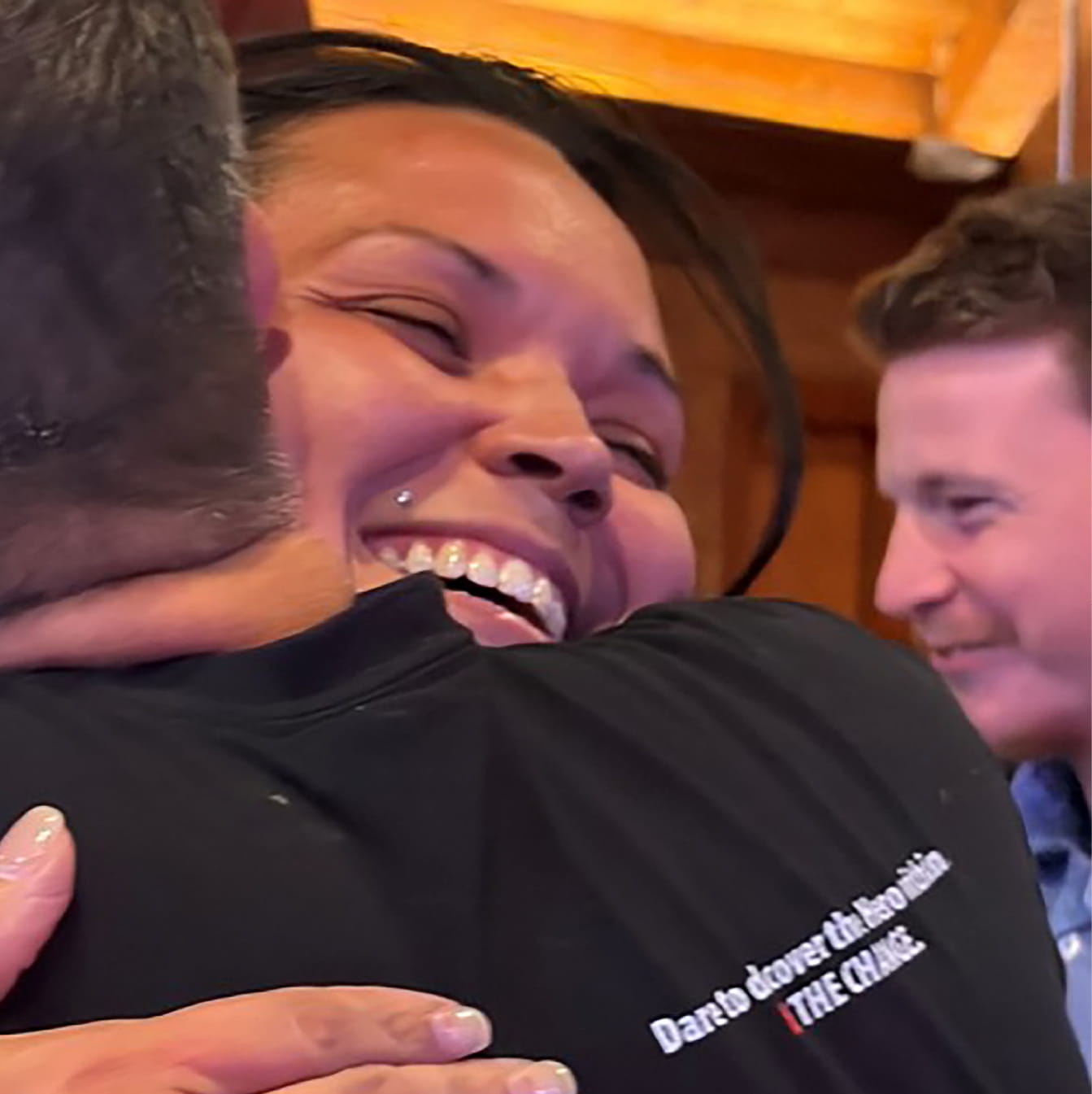
Spring Green works with incarcerated men in the Ohio State Correctional System who have been chosen by the correctional administration based on predetermined criteria. These men participate in a two day intense experiential workshop alongside family members to address past and present trauma that prevent them from full rehabilitation and personal growth. If you are interested in having someone you know take part in this mission, contact the prison’s chaplain to inquire about how to receive this service or how to get your loved one referred.
How It Works
Referral
Participants are selected by correctional administration.
The Workshop
Two intensive days of experiential, trauma-focused healing.
Together
A family member joins the work of restoration.
Our Story
How The Unbound Project Began
In 2025, Spring Green partnered with the Ohio Department of Rehabilitation and Correction to fix a gap in reentry: people leaving prison get help with a license, housing, and a job, but almost nothing prepares them emotionally to come home.
Incarceration doesn’t pause trauma. It often deepens it, for the person inside and the family outside.
Building on our Next Step program, developed with Challenge and Associates, we brought the workshop to men and their families at Chillicothe Correctional Institution. After a one-year trial and four workshops, the results were clear, and the Prison Project became The Unbound Project.
Our Why
Why This Work Matters
This work is backed by research. Here’s what the evidence says about the trauma incarcerated people carry, what happens inside, and the toll on families. Tap a section to read more.
Trauma Before Incarceration
Many incarcerated men carried deep trauma long before their convictions, which research ties to depression, anxiety, and substance use.
- 1 in 6 men were physically or sexually abused before age 18, and more witnessed violence (Wolff & Shi, 2012).
- 56% of incarcerated men reported childhood physical trauma.
- Higher still for minority men, with trauma often continuing into adulthood.
Common forms included abandonment, rejection, harsh or belittling treatment, and early exposure to alcohol and drugs, which often show up later as anger, aggression, and self-destructive behavior (Wolff & Shi, 2012).
Trauma Within the System
Less discussed is the trauma that happens during incarceration itself.
- ~21% of men were physically assaulted within their first six months (Wolff & Shi, 2010).
- ~25% experienced physical violence from correctional staff; many incidents caused injury.
- 1% reported sexual victimization within a year of entering, 2.2% by staff, and only reported cases are counted (Field et al., 2024).
It isn’t only physical: threats, coercion, witnessing violence, solitary confinement, and constant hypervigilance all leave a mark.
The Impact on Families
Incarceration reaches the whole family.
- 30–50% drop in parent-child contact during time served (Geller, 2013).
- 2x the odds of divorce during incarceration (Lopoo & Western, 2005).
- $172/month the average a family spends supporting a loved one inside, about 6% of household income (Siennick et al., 2014).
Children can show lasting behavior and attention difficulties, and reunification is often harder than families expect (Geller et al., 2012).
References
Field, M. B., Lauger, A. D., & Kottke-Weaver, S. (2025). Sexual victimization in prisons reported by inmates, 2023–24. Bureau of Justice Statistics.
Wolff, N., & Shi, J. (2009). Contextualization of physical and sexual assault in male prisons: Incidents and their aftermath. Journal of Correctional Health Care, 15(1), 58–77.
Geller, A. (2013). Paternal incarceration and father–child contact in fragile families. Journal of Marriage and Family, 75(5), 1288–1303. https://doi.org/10.1111/jomf.12056
Geller, A., Cooper, C. E., Garfinkel, I., Schwartz-Soicher, O., & Mincy, R. B. (2012). Beyond absenteeism: Father incarceration and child development. Demography, 49(1), 49–76. https://doi.org/10.1007/s13524-011-0081-9
Lopoo, L. M., & Western, B. (2005). Incarceration and the formation and stability of marital unions. Journal of Marriage and Family, 67(3), 721–734. https://doi.org/10.1111/j.1741-3737.2005.00165.x
Schwartz-Soicher, O., Geller, A., & Garfinkel, I. (2011). The effect of paternal incarceration on material hardship. Social Service Review, 85(3), 447–473. https://doi.org/10.1086/661925
Siennick, S. E., Stewart, E. A., & Staff, J. (2014). Explaining the association between incarceration and divorce. Criminology, 52(3), 371–398. https://doi.org/10.1111/1745-9125.12040
Turney, K. (2015). Hopelessly devoted? Relationship quality during and after incarceration. Journal of Marriage and Family, 77(2), 480–495. https://doi.org/10.1111/jomf.12174


Photo Gallery
What We Offer


Bring the Workshop to Your Facility
Bring The Unbound Project to your facility. If you are a chaplain, administrator, or staff member interested in offering this workshop to the men in your care, reach out to start the conversation.
Refer A Loved One
Want to refer a loved one? Start by contacting the prison’s chaplain. They can tell you how to receive this service.
The Unbound Project Resources
Resources for Families
Supporting a loved one who is incarcerated? These may help. Do your own research and use your best judgment to find what fits your family.
Ohio Kan
For relatives who become caregivers, financial help, legal services, benefits, and childcare.
CARES Ohio
Helps children of incarcerated parents rebuild the parent-child relationship, including after release.
City of Toledo Reentry
Reentry services for incarcerated men and their families. Outside Toledo, check your local agencies.
Reentry Coalition of Northwest Ohio
525 Jefferson Ave., Toledo
Ohio CIP
Family-strengthening programming with ODRC, including a nine-week communication course. Contact each institution for availability.
Contact Us
Find Your Next Step
Wherever you are in your healing, there is a next step. Reach out and we will help you find it.